

Frozen · Kids · Ready meal
Pots for Tots
Frozen meals for toddlers, with an ingredients list a parent can actually read. Cottage pie, chicken korma, mac and cheese. Food, not baby food.
Visit potsfortots.co.uk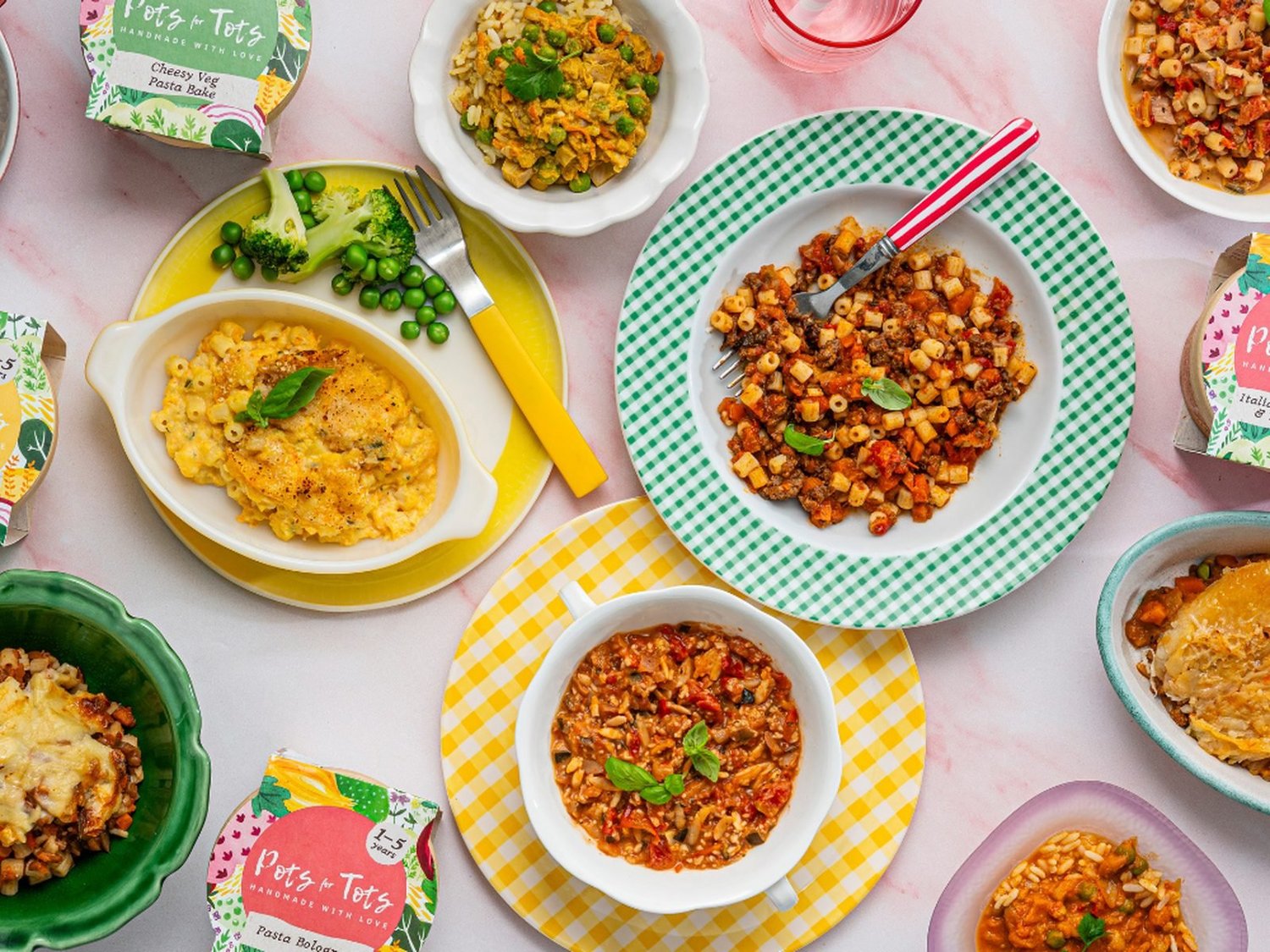
Where it stands
Funding, growth and revenue figures reported by The Grocer. Product and dietitian detail from the brand's own site.
The product
The meal a parent would have cooked, if there had been time.
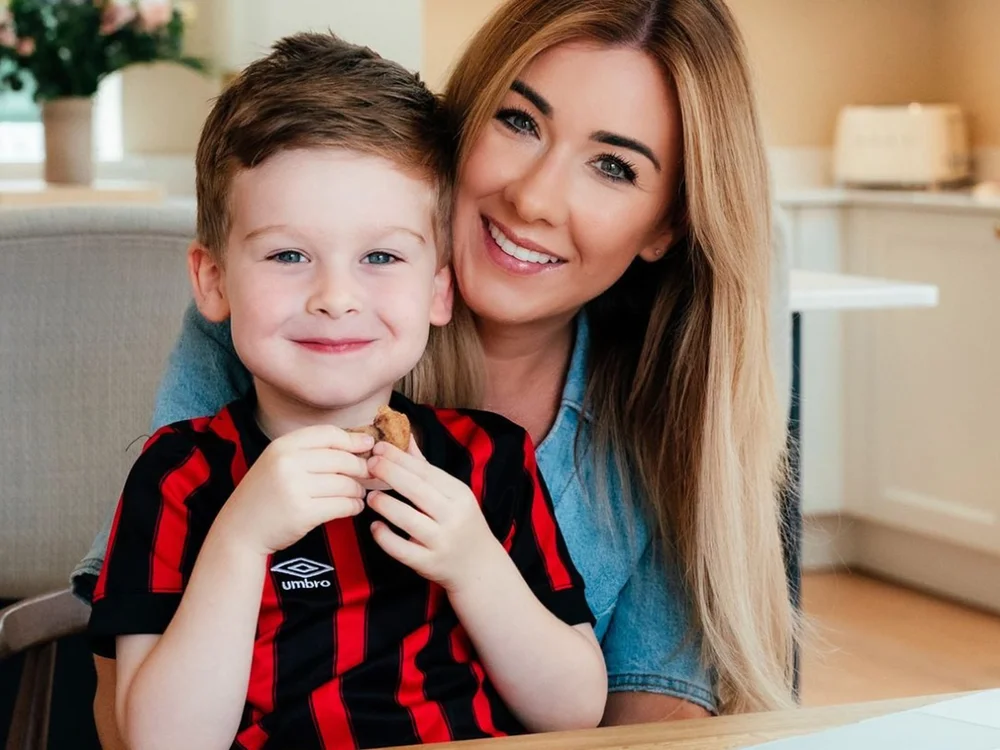
Cherrelle Beckitt started Family Food Co in 2019 with a simple objection: nearly everything sold as food for small children was either a pouch or a compromise. She wanted clean-label meals that a parent could read the back of without needing a translation.
Pots for Tots came into the group in early 2023, and the Mamamade brand followed later that year out of liquidation. That has given the business real scale in a category where most brands are still one person and a co-packer.
The meals are handmade and built to replicate home cooking rather than to hit a nutritional matrix. Cottage pie, chicken korma, mac and cheese. Developed with children's dietitian Lucy Upton, delivering up to three of a child's five a day.
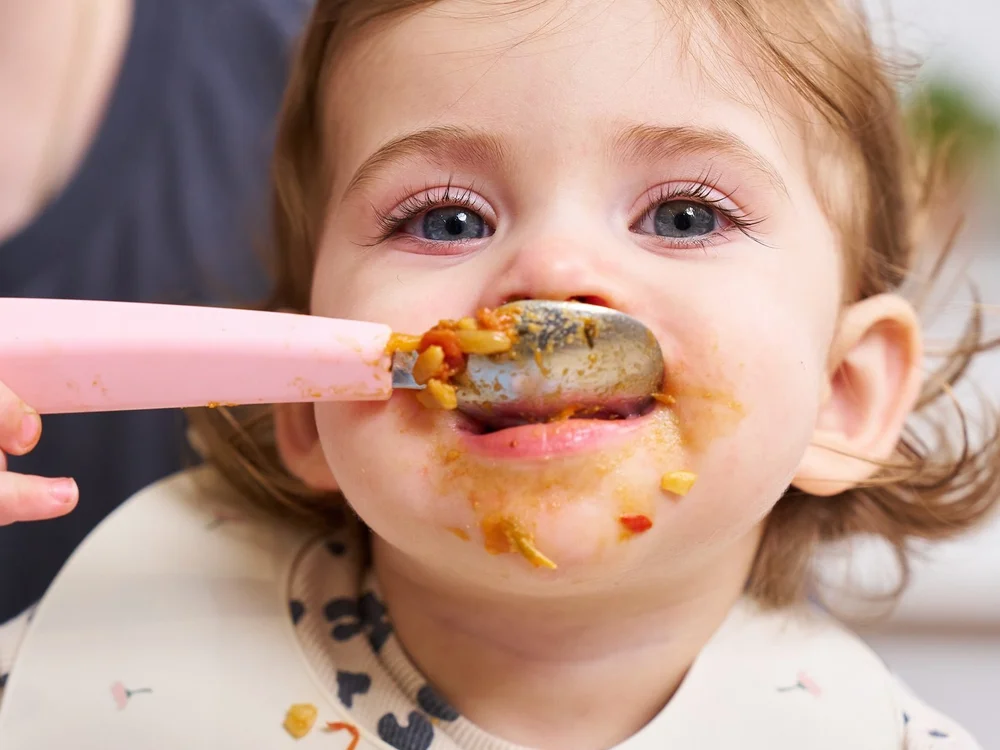
They arrive frozen, insulated and packed with dry ice, which sounds like a logistics detail and is actually the whole proposition. Frozen is what lets you keep the ingredient list short.
Buying for baby, toddler or frozen? The compliance position against the 2027 guidelines is ready to send.
Book 20 minutesWhy a buyer stocks it
Kids' frozen is a category parents do not trust. That is the opportunity.
A back of pack that survives scrutiny
Parents read children's food labels more carefully than they read their own. A short ingredient list is not a nice-to-have here, it is the entire purchase decision.
Dietitian-developed, and it says so
Lucy Upton's involvement gives a buyer third-party credibility they do not have to underwrite themselves.
Group scale behind a founder brand
Three brands under one operation means the supply questions have answers. That is rare at this size and it de-risks a listing.
A replacement cohort, not a loyalty play
Around six hundred thousand UK births a year means the shopper base rebuilds continuously, and the category is built in stages from six months to three years. High frequency, short window. Which is why distribution matters far more than loyalty here, and why a listing compounds.
Compliant by construction, ahead of a deadline
The voluntary industry guidelines published in August 2025 cover every product marketed for children up to thirty-six months, with a compliance deadline of the end of February 2027. No added sugars, main meals capped at five per cent fruit by weight, sodium limits, and no implied health claims without evidence. A short-ingredient, no-added-sugar, dietitian-developed frozen meal already meets that. Much of the fixture does not.
The objection
Baby food lost twenty-six million units last year. Why walk into that?
Because of who lost them.
The numbers deserve stating plainly rather than being talked around. UK baby food is £333.5m and volume fell 14.7 per cent in the year to February 2026. That is 26.1 million units and £33m gone. The top four brands carried most of it, and one organic pouch range alone lost 12.7 million units. Two frozen toddler brands went into liquidation, one of them for the second time. This category has a graveyard and a buyer has watched it fill up.
Now look at the split. Branded volume fell 14.7 per cent. Own label fell 2.9. That is not a category losing shoppers. That is a category losing trust in brands, with own label absorbing them. Nobody stopped feeding a toddler. They stopped believing the pouch.
There is a documented reason for that, and it is not anecdote. A 2025 peer-reviewed study assessed 469 UK commercial baby food products across twenty-one brands against the World Health Organization's nutrient and promotion profile model. Fifty-five per cent failed the nutritional requirements. One hundred per cent failed the promotional and labelling requirements. Not one product met both. A separate survey of 113 baby and toddler snacks found more than two thousand marketing claims across them, averaging twenty per product.
Which brings us to the timing, and this is the part that makes this page worth reading now rather than next year.
In August 2025 the Office for Health Improvement and Disparities published voluntary industry guidelines covering every product marketed as suitable for children up to thirty-six months. No added sugars or sweetening agents. Main meals capped at five per cent fruit by weight. Sodium under sixty milligrams per hundred kilocalories. No on-pack implied health claims without scientific evidence. Front-of-pack use-a-spoon warnings on nozzle pouches. Stop labelling snacks as suitable under twelve months.
The compliance deadline is the end of February 2027, and the government has said explicitly that it will consider additional or alternative measures if business does not deliver.
A short-ingredient, no-added-sugar, dietitian-developed frozen meal is compliant by construction. A large part of the fixture has months to reformulate, relabel, or come off. That is the whole opportunity, and unusually for this kind of argument, it has a date on it.
Category data: NIQ via The Grocer, year to 28 February 2026. Product assessment: European Journal of Pediatrics, 2025, volume 184, article 128, covering 469 products across 21 brands. Marketing claims: The Food Foundation and First Steps Nutrition Trust, April 2025. Guidelines: Commercial Baby Food and Drink Voluntary Industry Guidelines, Office for Health Improvement and Disparities, published 22 August 2025, compliance by end February 2027.
In the fixture
Frozen has no premium in this fixture yet.
This is the hardest commercial fact in the category and it is better said before a buyer says it. Frozen toddler food currently prices below chilled, not above.
Pricing a premium frozen toddler meal above three pounds means asking a buyer to create a price ceiling that does not currently exist. The regulatory argument is what makes that a reasonable ask. Without it, it is not, and I would not pretend otherwise.
One adjacent door worth knowing about. The new School Food Standards announced in April 2026 cover primary and secondary only. Early years and nurseries are not covered, so the nursery plate remains a standards vacuum at exactly the moment the nought to thirty-six month retail product is being regulated. Nobody is pitching that gap.
Shelf prices observed at a major UK multiple, August 2026. Tiers shown, brands not named. School Food Standards scope per gov.uk Education Hub, 13 April 2026.
What I did
Commercial story
Turning a genuinely good founder story into the argument a category manager needs, which is a different document.
Trade terms
Margin structure, promotional plan and the terms conversation, priced so a listing is still worth having in year two.
Route to shelf
Which retailers, in which order, and what has to be true before each one is worth approaching.
Range architecture
Three brands, one freezer. Making sure they complement rather than cannibalise.
Next step
Want the range, the terms and the technical pack?
I run the commercial conversation for Pots for Tots. Full ingredient decks, nutritionals, the compliance position against the 2027 guidelines, trade price list, margin structure and shelf life are ready to send. Twenty minutes is usually enough for you to know whether this fits your fixture, and I will tell you if I think it does not.
Founder rather than a buyer? This is how I work, and these are the other brands.